The University’s Global Disaster Resilience Centre will play a key role in the project that will centre on addressing the lack policies

No offense to those who take disasters seriously (and we all should, let me add). No offense to the serious matter of disaster management. The headline was picked, I confess, from a serious interview with a serious academic about a serious subject. Dilanthi Amaratunga, Professor of Disaster Risk Management, University of Huddersfield, UK, and a leading expert on the subject of disaster resilience, while discussing challenges, opportunities and other related concerns stated recently, ‘we cannot be complacent about disaster management.’

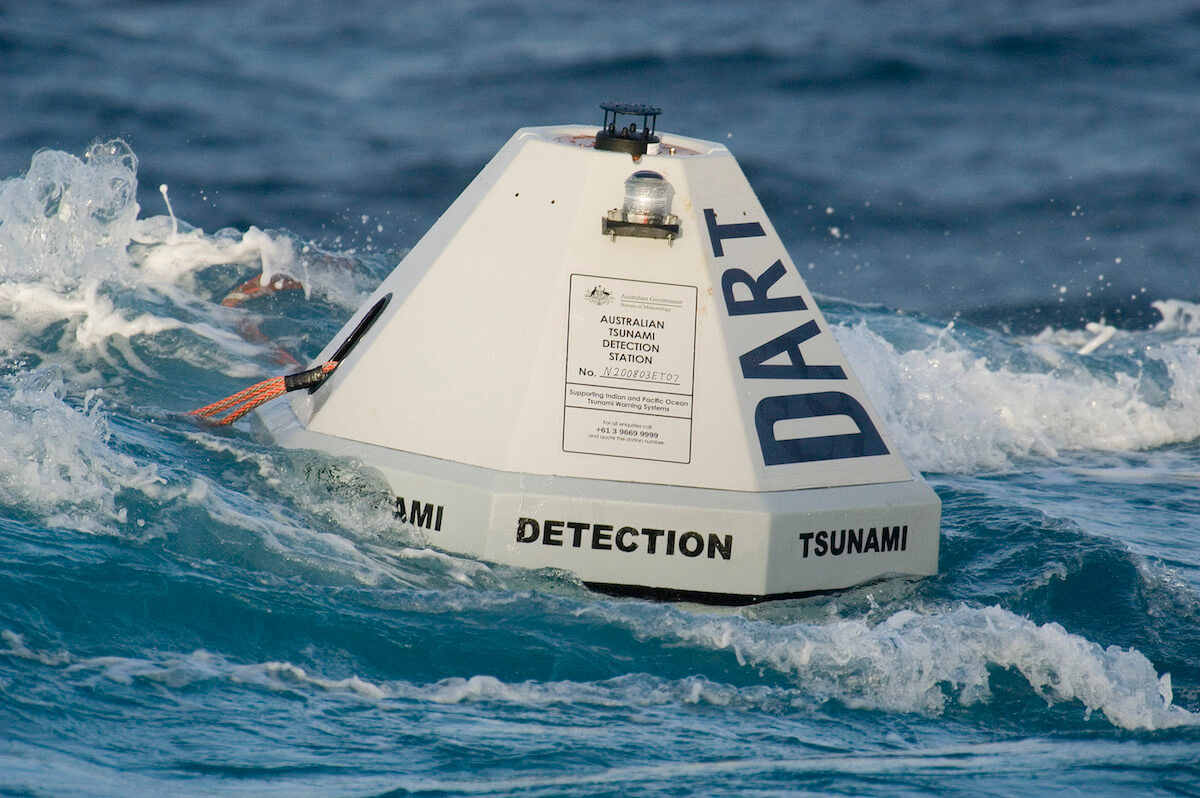
A record 115,000 people in the Indian Ocean region evacuated during the tsunami exercise Indian Ocean Wave 2018 (IOWave18) conducted on 4-5 September 2018. The exercise was coordinated by UNESCO’s Intergovernmental Oceanographic Commission (IOC) as part of the Indian Ocean Tsunami Warning and Mitigations System (IOTWMS). Exercise IOWave18 involved enacting two scenarios – a magnitude 9.0 earthquake off the southern coast of the Islamic Republic of Iran and a magnitude 9.3 earthquake off the western coast of Northern Sumatra on the 4th and 5th September respectively. In addition to testing standard operating procedures and communication links at all levels of the tsunami warning chain, a primary objective of IOWave18 was to enhance tsunami preparedness at community level including evacuation procedures. To this end, all Member States[1] were encouraged to use Exercise IOWave 18 as an opportunity to evaluate Indian Ocean Tsunami Ready (IOTR)[2] indicators in pilot communities, following the IOTR guidelines.
A record 115,000 people in the Indian Ocean region evacuated during the tsunami exercise Indian Ocean Wave 2018 (IOWave18) conducted on 4-5 September 2018. The exercise was coordinated by UNESCO’s Intergovernmental Oceanographic Commission (IOC) as part of the Indian Ocean Tsunami Warning and Mitigations System (IOTWMS). Exercise IOWave18 involved enacting two scenarios – a magnitude 9.0 earthquake off the southern coast of the Islamic Republic of Iran and a magnitude 9.3 earthquake off the western coast of Northern Sumatra on the 4th and 5th September respectively.
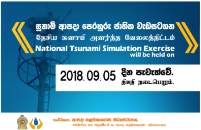
By Disaster Management Center of Sri Lanka (Lang - English) Sri Lanka participating in an international tsunami drill held in 28 countries will be conducting tsunami drills across the island today (September 05th 2018). The Ministry of Disaster Management said the island wide tsunami drill will be held at 8.30 am in several selected districts. Accordingly, Mullativu, Ampara, and Galle Districts of Sri Lanka have been selected to conduct the drill.
By Disaster Management Centre Facebook page - Sri Lanka participating in an international tsunami drill held in 28 countries will be conducting tsunami drills across the island today (September 05th 2018). The Ministry of Disaster Management said the island wide tsunami drill will be held at 8.30 am in several selected districts. Accordingly, Mullativu, Ampara, and Galle Districts of Sri Lanka have been selected to conduct the drill.
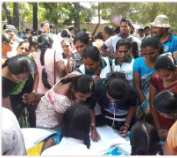
By Disaster Management Center of Sri Lanka (Lang -Sinhala) Sri Lanka participating in an international tsunami drill held in 28 countries will be conducting tsunami drills across the island today (September 05th 2018). The Ministry of Disaster Management said the island wide tsunami drill will be held at 8.30 am in several selected districts. Accordingly, Mullativu, Ampara, and Galle Districts of Sri Lanka have been selected to conduct the drill.
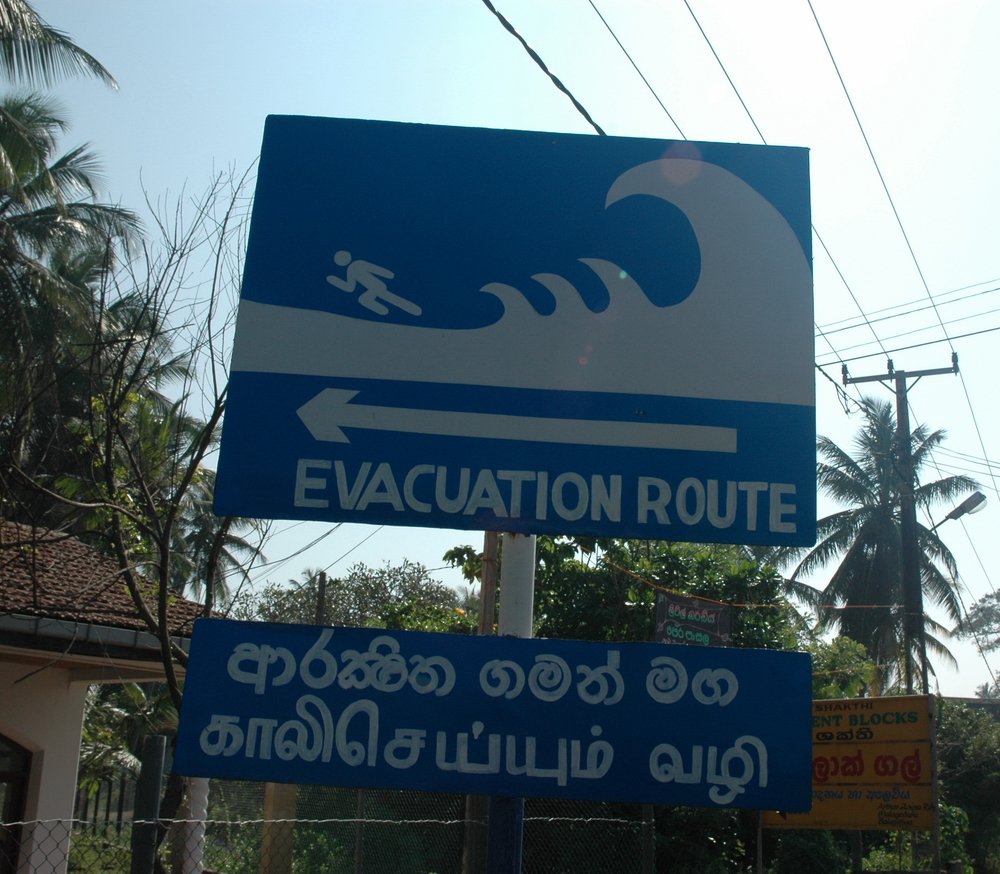
By GardaWorld - Sri Lanka participating in an international tsunami drill held in 28 countries will be conducting tsunami drills across the island today (September 05th 2018). The Ministry of Disaster Management said the island wide tsunami drill will be held at 8.30 am in several selected districts. Accordingly, Mullativu, Ampara, and Galle Districts of Sri Lanka have been selected to conduct the drill.
By Relief Web - Sri Lanka participating in an international tsunami drill held in 28 countries will be conducting tsunami drills across the island today (September 05th 2018). The Ministry of Disaster Management said the island wide tsunami drill will be held at 8.30 am in several selected districts. Accordingly, Mullativu, Ampara, and Galle Districts of Sri Lanka have been selected to conduct the drill.
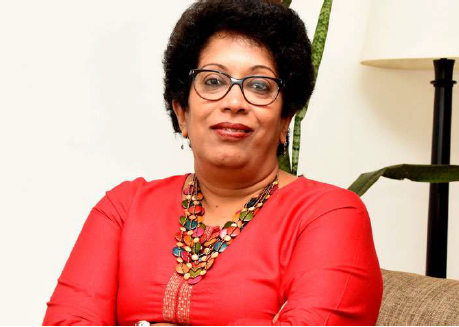
When the Indian Ocean tsunami struck the island back in 2004, it not only affected many lives but it inspired a few as well. One individual who was inspired to make a change in terms of disaster management was Dilanthi Amaratunga. Being a proud product of Visakha Vidyalaya, Dilanthi was determined to contribute her expertise in infrastructure development towards bringing about disaster management. Today she is a Professor of Disaster Risk Management at the University of Huddersfield in the UK and leads the Global Disaster Resilience Centre at the University. This Centre is committed to excellence in research, education and advocacy to improve the resilience of nations and communities to disasters. In addition to that, she is involved in various other organisations including the United Nations Office for Disaster Risk Reduction (UNISDR) and is working towards bringing about a holistic approach to reduce the risk and impact of disasters.
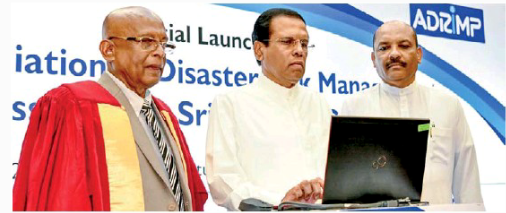
By Daily Mirror - The Association of Disaster Risk Management Professionals was formed and the official website was launched in the presence of President Maithripala Sirisena and Minsiter Palitha Range Bandara.
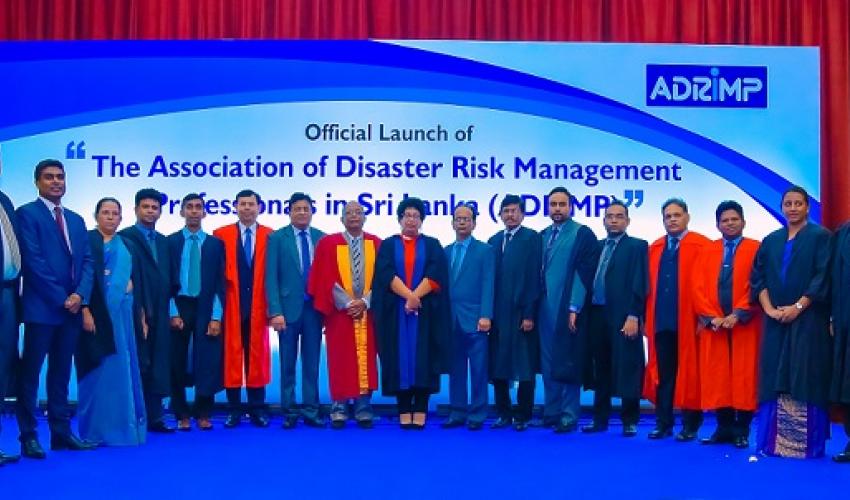
The inauguration ceremony of the Association of Disaster Management Professionals, Sri Lanka (ADRiMP) was held under the patronage of President Maithripala Sirisena at the BMICH, on 23rd of August 2018.

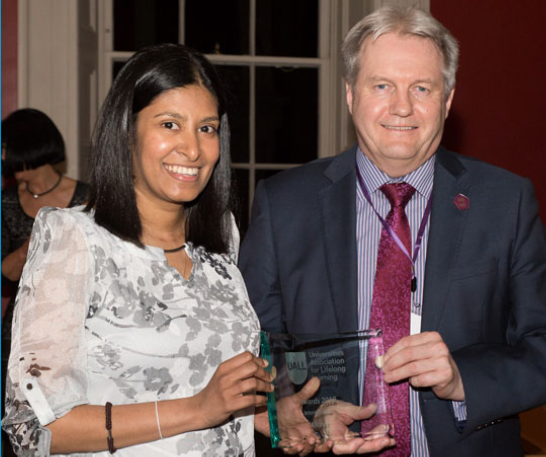
Professor Dilanthi Amaratunga’s international reputation in Disaster Risk Reduction has led to a number of major appointments over recent months A leading
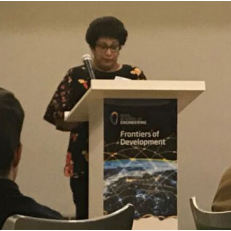
The Royal Academy of Engineering, together with The Academy of Medical Sciences, The British Academy and The Royal Society, is this week bringing together 60 of the world's leading early and mid-career researchers to address the challenges caused by global mass displacement in the first Frontiers of Development symposium.
The inaugural Frontiers of Development Symposium will take place Monday 12 February - Wednesday 14 February in Kigali, Rwanda. Delegates will arrive on Sunday 11 February for an informal networking reception and welcome dinner.
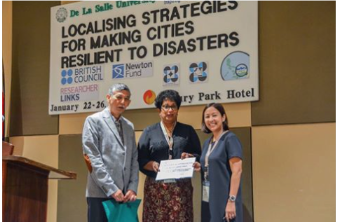
Mayor Abby Binay shared Makati City's formula for disaster preparedness at an international workshop hosted by De La Salle University, Philippines and the University of Huddersfield, United Kingdom.
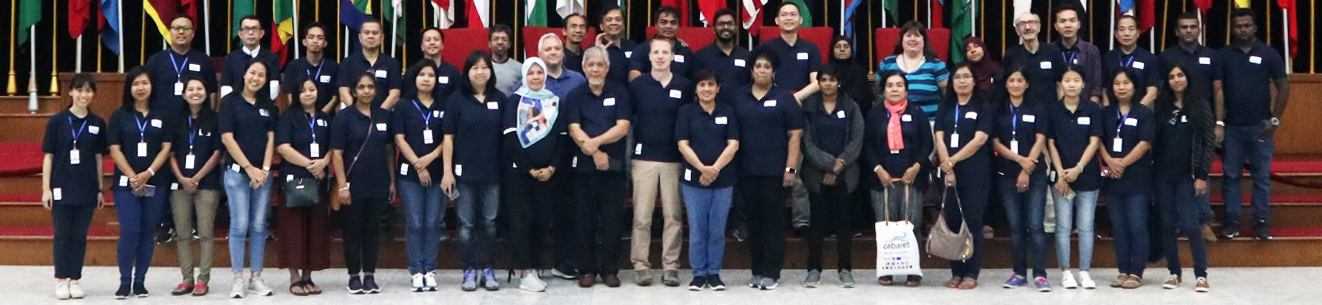
Professor Amaratunga and Professor Richard Haigh of the University's Global Disaster Resilience Centre chair 7th international conference in Bangkok. A UK-based professor who is a Leading expert on disaster resilience has described the need for international partnerships to curtail the devastation caused by episodes such as the 2004 Tsunami. There is also a call for new scientific research in the subject to be fully explained and applied in communities likely to be affected.
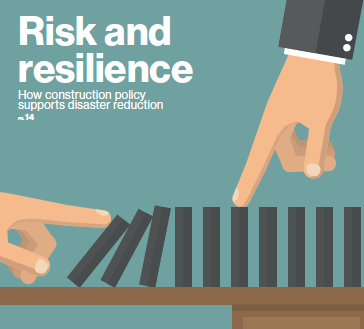
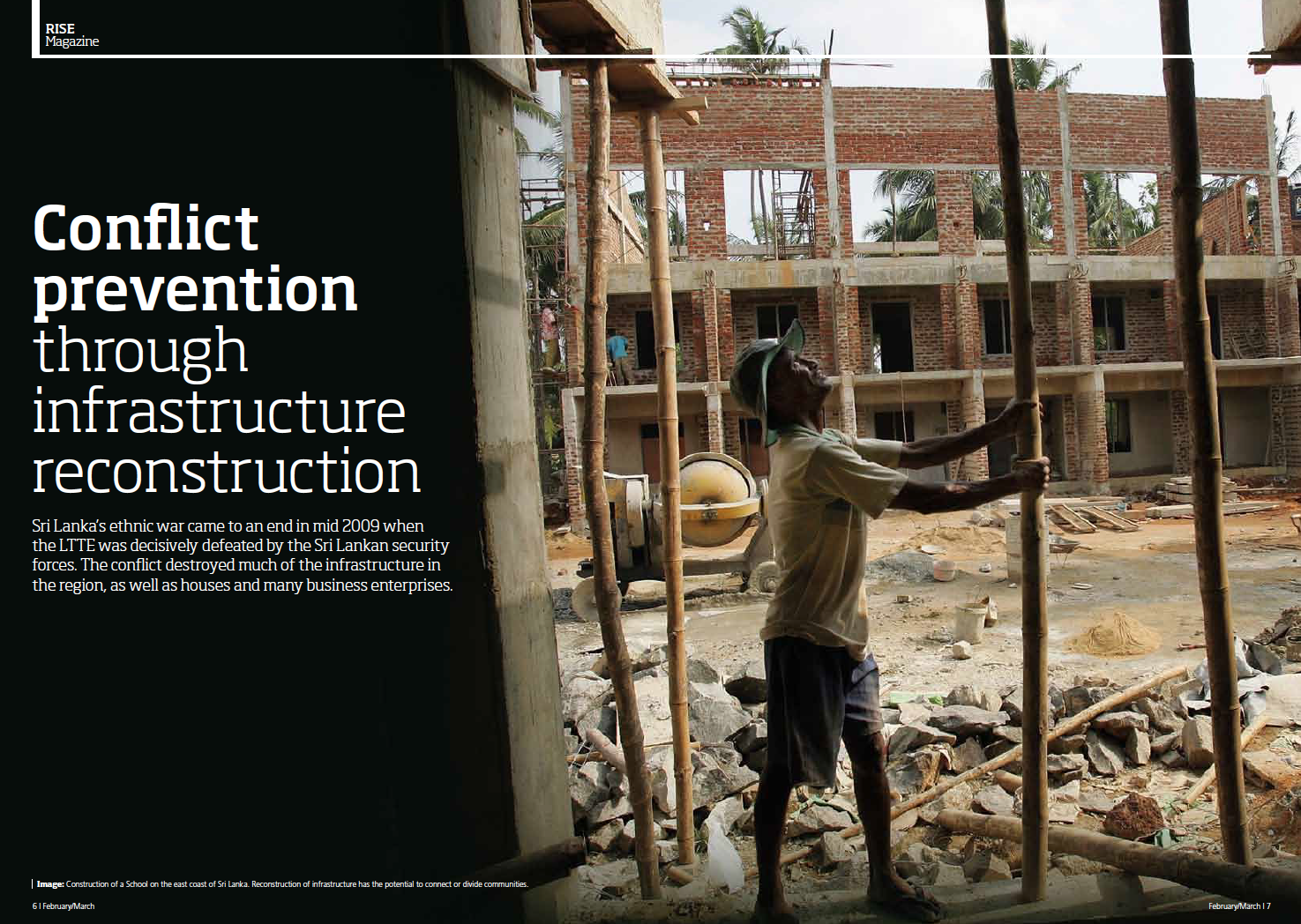
Dilanthi Amaratunga outlines how construction policy will support the UN’s Sendai Framework for Disaster Risk Reduction.
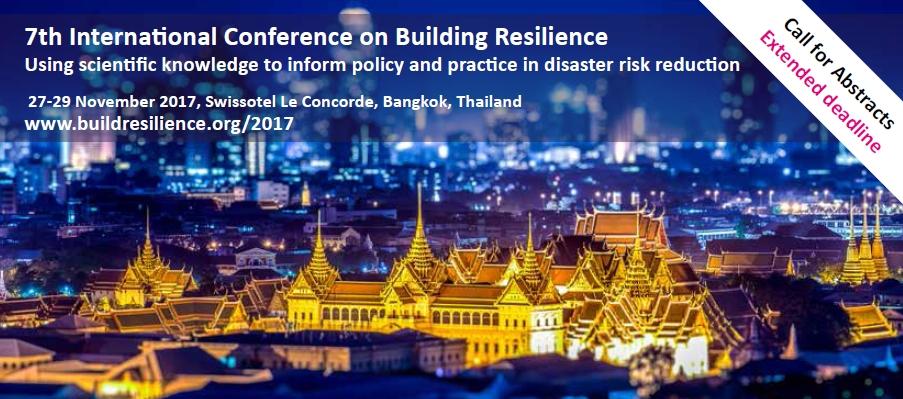
The article in the Reliefweb on the 7th International Conference on Building Resilience to be held in Bangkok from 27-29 November
The past decade has seen a concentration of disaster events causing major social, economic and financial impacts. In order to tackle these increasing losses, the Sendai framework for disaster risk reduction 2015–2030[1], endorsed by 187 UN states in 2015, promotes disaster risk reduction practices.
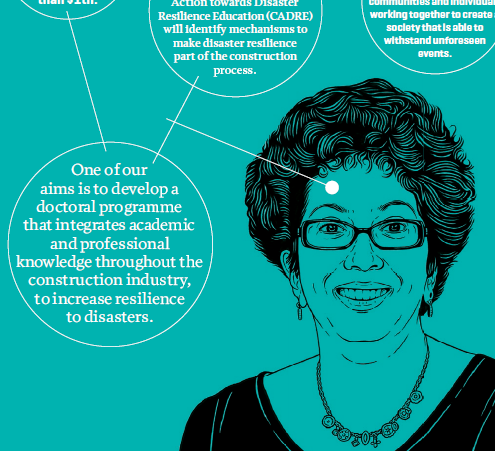
One of our aims is to develop a doctoral programme that integrates academic and professional knowledge throughout the construction industry, to increase resilience to disasters.

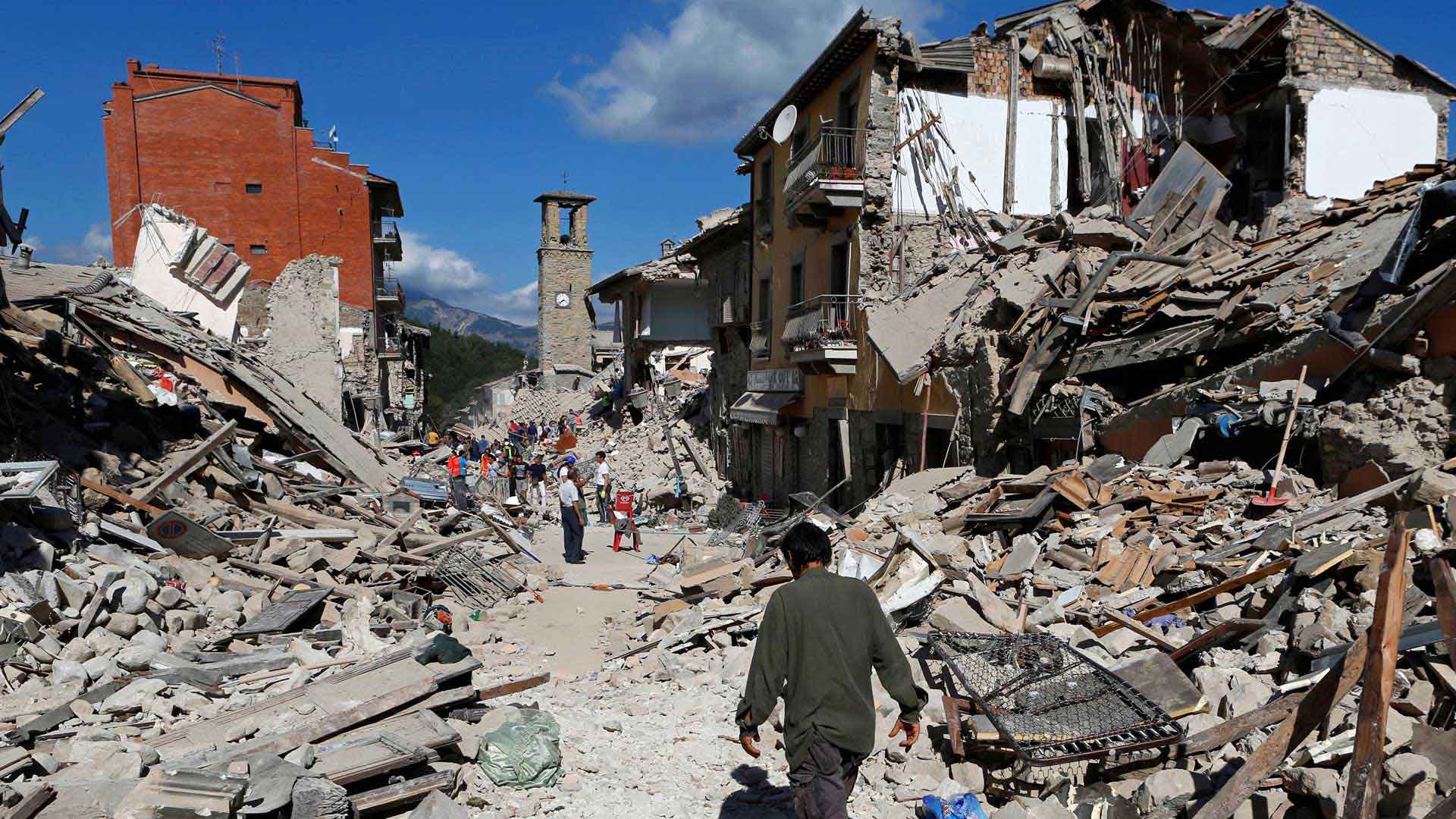
Almost 10 years ago Dilanthi Amaratunga was coming to the end of an enjoyable family visit to her home country of Sri Lanka. But disaster was not far away. On December 26, 2004, there were indications that a major environmental disturbance was developing which would rock the region and introduce the rest of the world to the word ‘tsunami.’ “Small boys were running towards us saying the sea was coming to the land,” Dilanthi said. It was the day of the Indian Ocean Tsunami that would claim more than 230,000 lives, displace more than 1.6 million people around the region and cause massive economic damage.
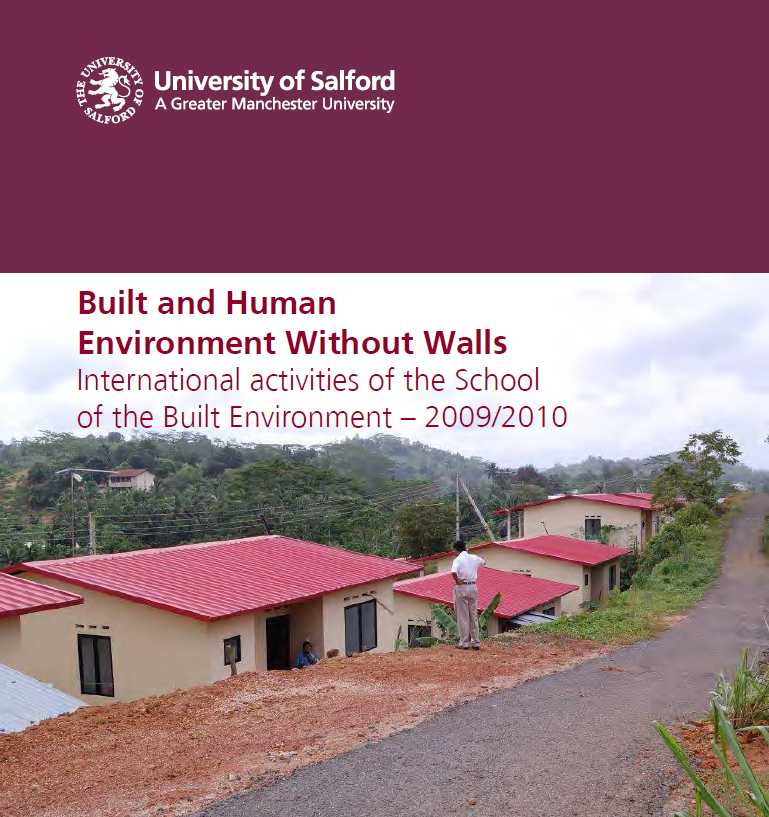
Built and Human Environment Without Walls, edited by Professor Dilanthi Amaratunga and Dr Richard Haigh, captures the international reach and collaborative spirit of the University of Salford’s School of the Built Environment during 2009/2010. The publication reflects Professor Amaratunga’s leadership in advancing global partnerships, disaster resilience research, and knowledge exchange across academia, industry, and international agencies. Developed with Dr Haigh, it showcases a wide portfolio of teaching, research, policy engagement, and international collaboration aimed at addressing major global challenges in the built and human environment.