හදිසි ආපදාවන්ට මුහුණ දීමට සහ ඒවා කළමනාකරණය කර ගැනීමට ශ්රී ලංකාව තවදුරටත් ශක්තිමත් කරගත යුතු ක්ෂේත්ර මොනවා ද? Professor Dilanthi’s Interview to
හදිසි ආපදාවන්ට මුහුණ දීමට සහ ඒවා කළමනාකරණය කර ගැනීමට ශ්රී ලංකාව තවදුරටත් ශක්තිමත් කරගත යුතු ක්ෂේත්ර මොනවා ද? Professor Dilanthi’s Interview to
හදිසි ආපදාවන්ට මුහුණ දීමට සහ ඒවා කළමනාකරණය කර ගැනීමට ශ්රී ලංකාව තවදුරටත් ශක්තිමත් කරගත යුතු ක්ෂේත්ර මොනවා ද? Professor Dilanthi’s Interview to
හදිසි ආපදාවන්ට මුහුණ දීමට සහ ඒවා කළමනාකරණය කර ගැනීමට ශ්රී ලංකාව තවදුරටත් ශක්තිමත් කරගත යුතු ක්ෂේත්ර මොනවා ද? Professor Dilanthi’s Interview to
හදිසි ආපදාවන්ට මුහුණ දීමට සහ ඒවා කළමනාකරණය කර ගැනීමට ශ්රී ලංකාව තවදුරටත් ශක්තිමත් කරගත යුතු ක්ෂේත්ර මොනවා ද? Professor Dilanthi’s Interview to
හදිසි ආපදාවන්ට මුහුණ දීමට සහ ඒවා කළමනාකරණය කර ගැනීමට ශ්රී ලංකාව තවදුරටත් ශක්තිමත් කරගත යුතු ක්ෂේත්ර මොනවා ද? Professor Dilanthi’s Interview to
හදිසි ආපදාවන්ට මුහුණ දීමට සහ ඒවා කළමනාකරණය කර ගැනීමට ශ්රී ලංකාව තවදුරටත් ශක්තිමත් කරගත යුතු ක්ෂේත්ර මොනවා ද? Professor Dilanthi’s Interview to
හදිසි ආපදාවන්ට මුහුණ දීමට සහ ඒවා කළමනාකරණය කර ගැනීමට ශ්රී ලංකාව තවදුරටත් ශක්තිමත් කරගත යුතු ක්ෂේත්ර මොනවා ද? Professor Dilanthi’s Interview to
හදිසි ආපදාවන්ට මුහුණ දීමට සහ ඒවා කළමනාකරණය කර ගැනීමට ශ්රී ලංකාව තවදුරටත් ශක්තිමත් කරගත යුතු ක්ෂේත්ර මොනවා ද? Professor Dilanthi’s Interview to
හදිසි ආපදාවන්ට මුහුණ දීමට සහ ඒවා කළමනාකරණය කර ගැනීමට ශ්රී ලංකාව තවදුරටත් ශක්තිමත් කරගත යුතු ක්ෂේත්ර මොනවා ද? Professor Dilanthi’s Interview to
හදිසි ආපදාවන්ට මුහුණ දීමට සහ ඒවා කළමනාකරණය කර ගැනීමට ශ්රී ලංකාව තවදුරටත් ශක්තිමත් කරගත යුතු ක්ෂේත්ර මොනවා ද? Professor Dilanthi’s Interview to
හදිසි ආපදාවන්ට මුහුණ දීමට සහ ඒවා කළමනාකරණය කර ගැනීමට ශ්රී ලංකාව තවදුරටත් ශක්තිමත් කරගත යුතු ක්ෂේත්ර මොනවා ද? Professor Dilanthi’s Interview to
හදිසි ආපදාවන්ට මුහුණ දීමට සහ ඒවා කළමනාකරණය කර ගැනීමට ශ්රී ලංකාව තවදුරටත් ශක්තිමත් කරගත යුතු ක්ෂේත්ර මොනවා ද? Professor Dilanthi’s Interview to
හදිසි ආපදාවන්ට මුහුණ දීමට සහ ඒවා කළමනාකරණය කර ගැනීමට ශ්රී ලංකාව තවදුරටත් ශක්තිමත් කරගත යුතු ක්ෂේත්ර මොනවා ද? Professor Dilanthi’s Interview to
UN Office for Disaster Risk ReductionEUROPEAN SCIENCE AND TECHNOLOGY ADVISORY GROUPThe United Nations Office for Disaster Risk Reduction’s European Science and Technology

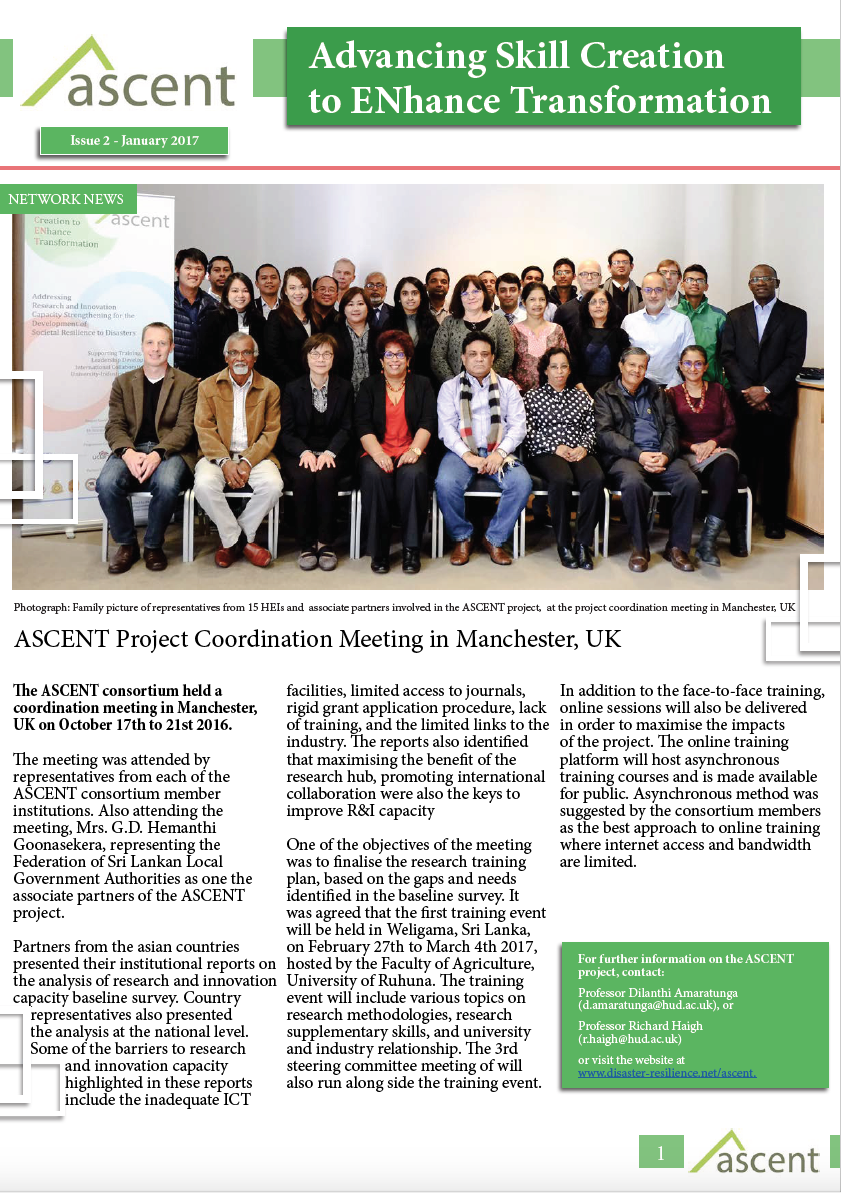
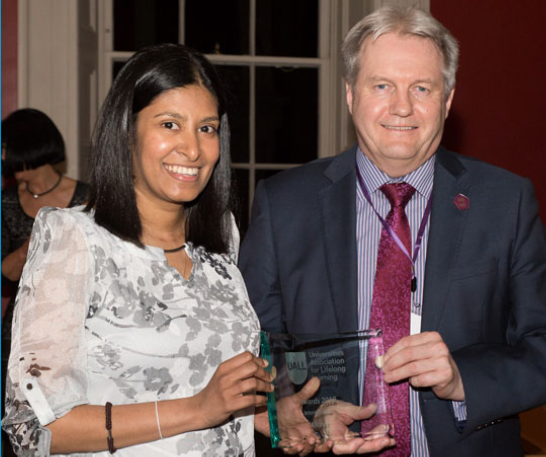
The Newton Prize celebrates outstanding international research partnerships and is an annual £1million fund award TWO Professors from the University of Huddersfield’s School of Art,
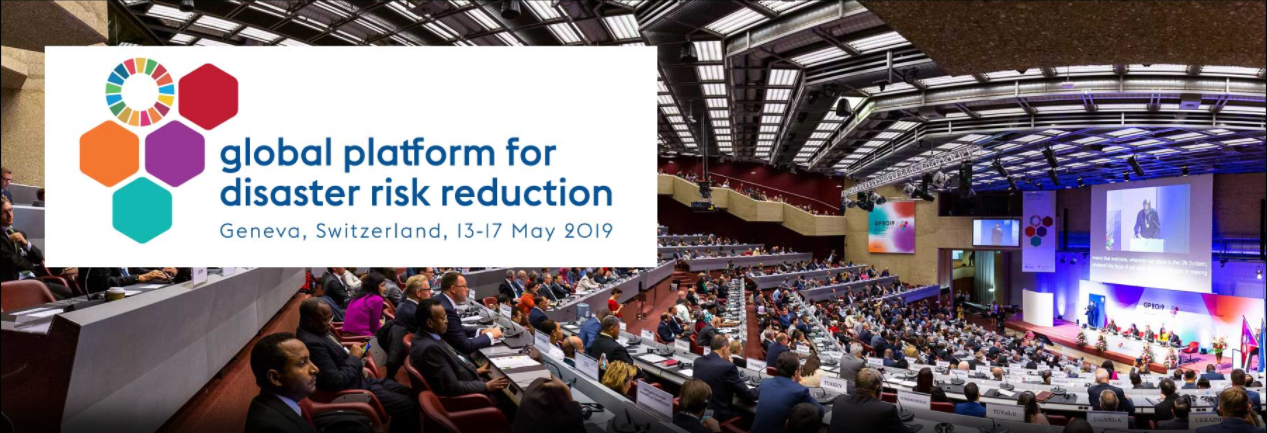
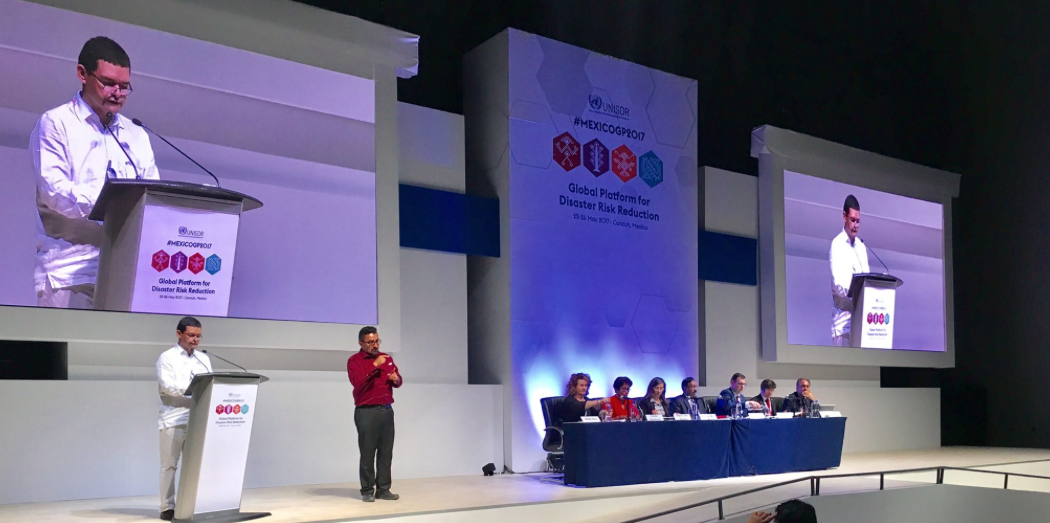
Professors Richard Haigh and Dilanthi Amaratunga, of the University’s Global Disaster Resilience Centre, spoke at the sixth session of the Global Platform for

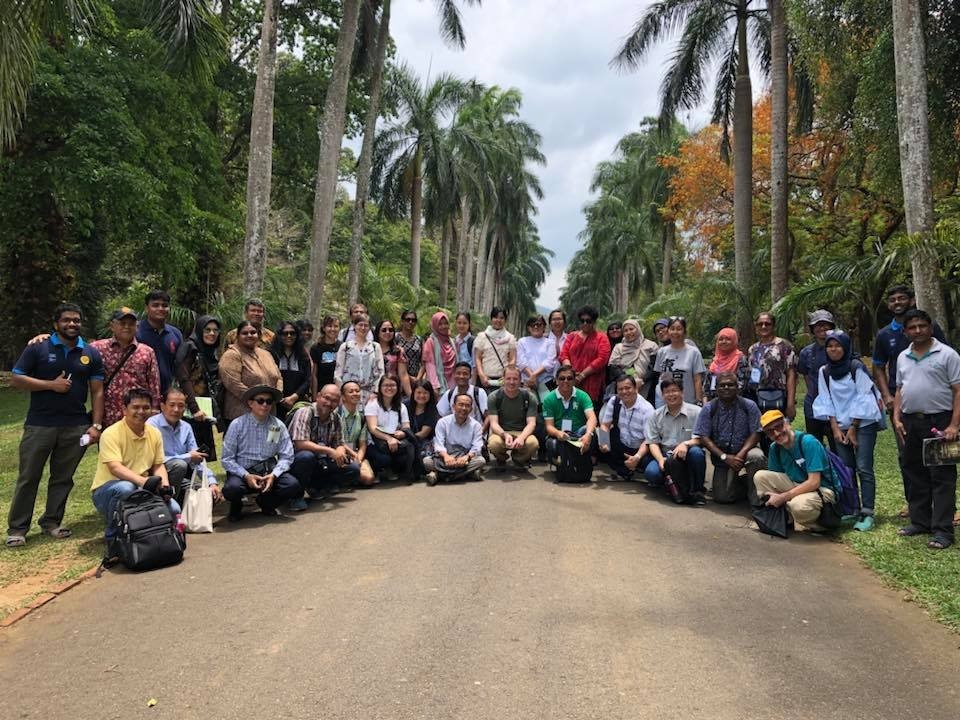
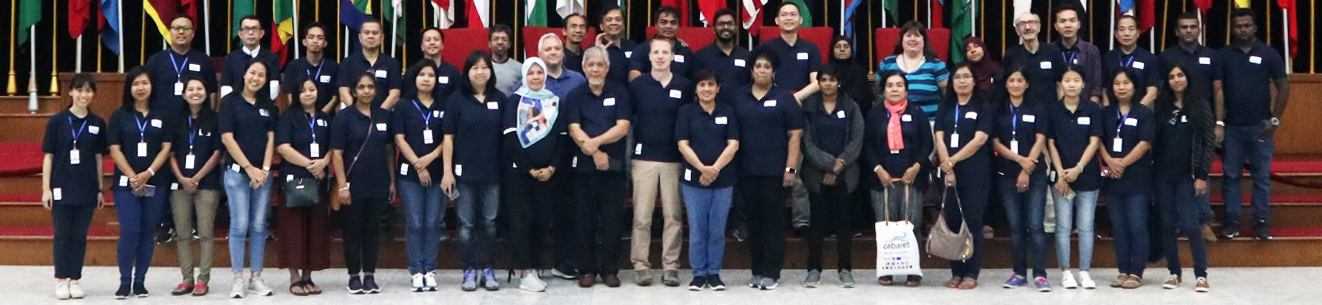
Countries around the Indian Ocean are benefitting from the experience and advice of Professors Dilanthi Amaratunga and Richard Haigh on how they best prepare to cope with a potentially disastrous tsunami.

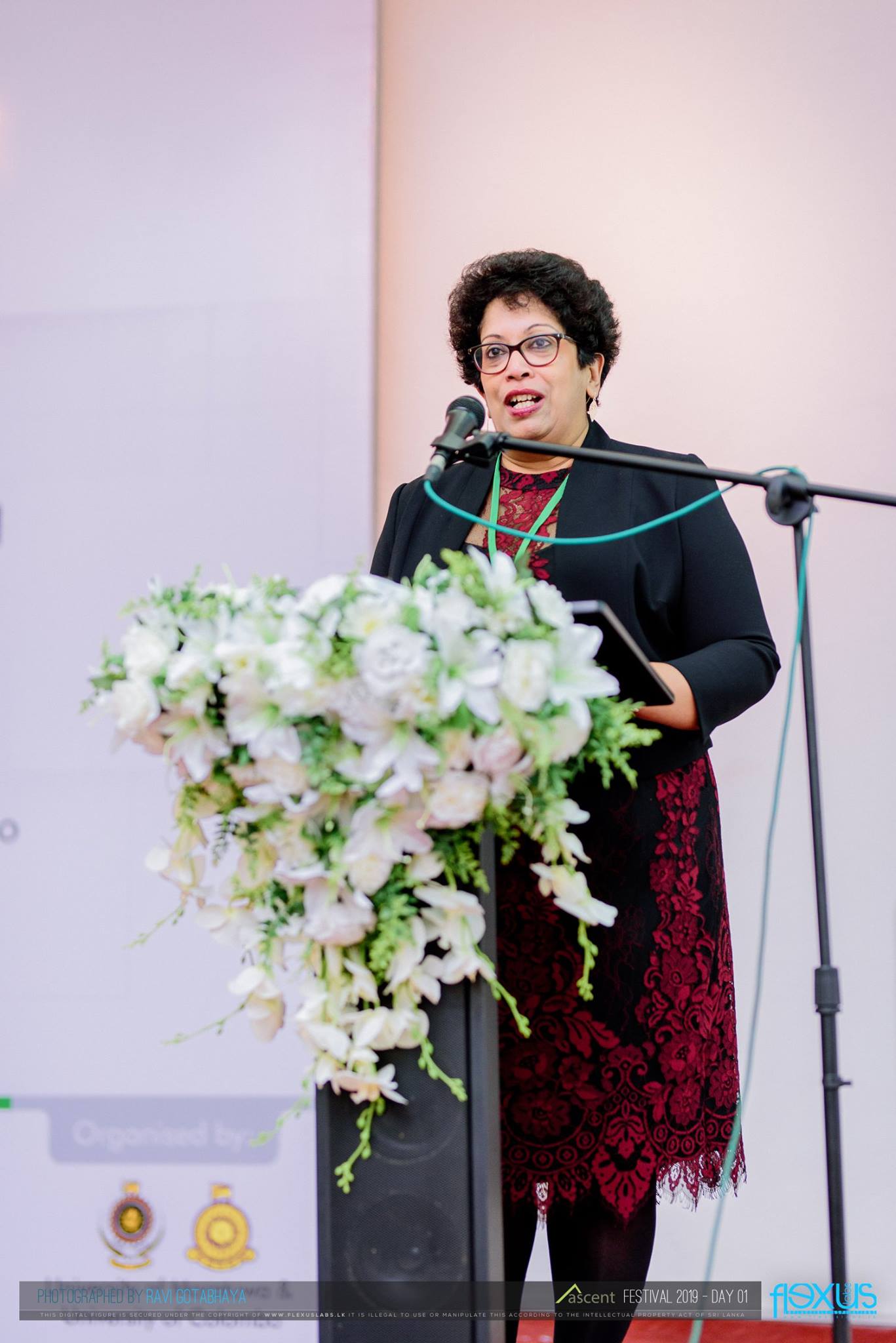
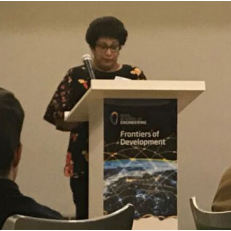
Professor Siri Hettige of Unviersity of Colombo discusses the impact of the international project ASCENT to the disaster management sector of Sri Lanka, under the theme climate change, natural disasters and societal resilience.

The world's leading climate scientists have sounded the warning call, giving us an ultimatum to change the world. In October this year, we were given 12 years to change; to change the way we think and the way we consume -- simply put, the way we live.

The disaster risk research has been granted £541,655 and will ultimately improve the lives of the 3.5 million people living along the
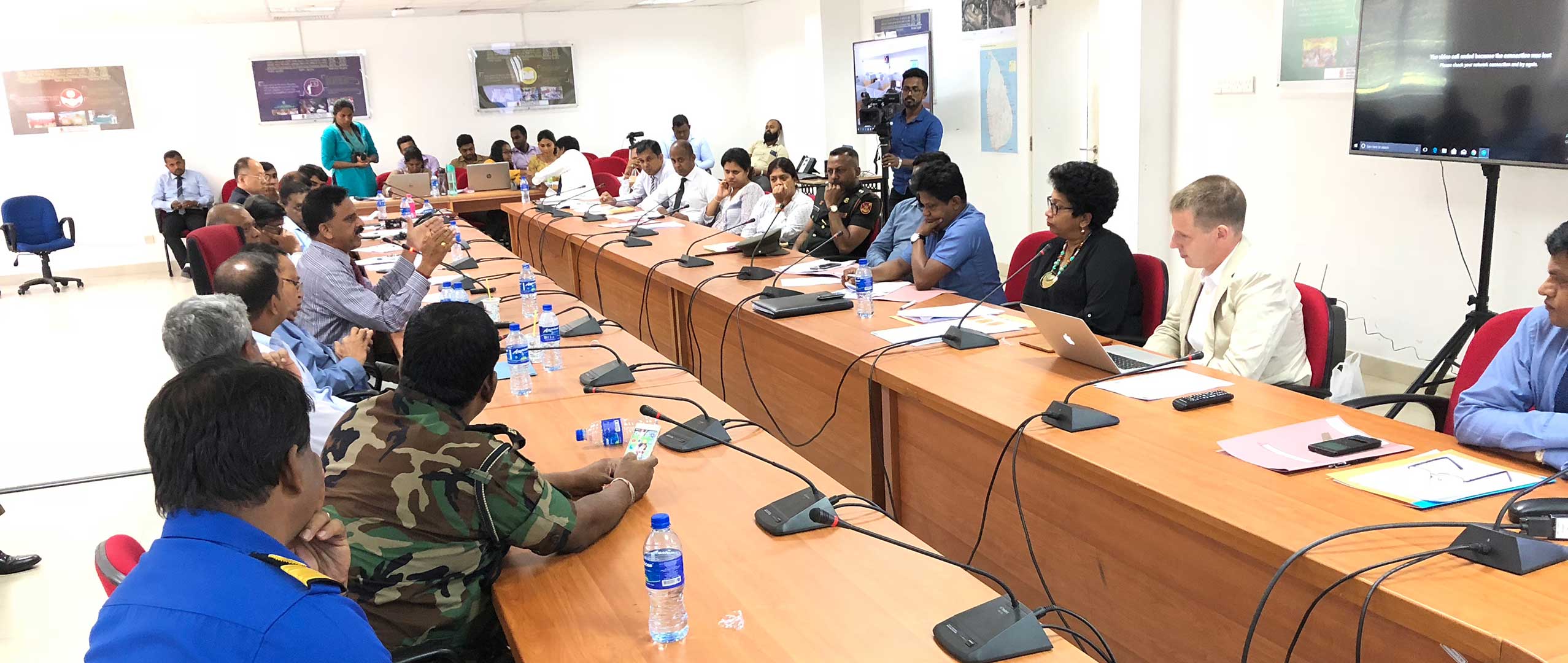
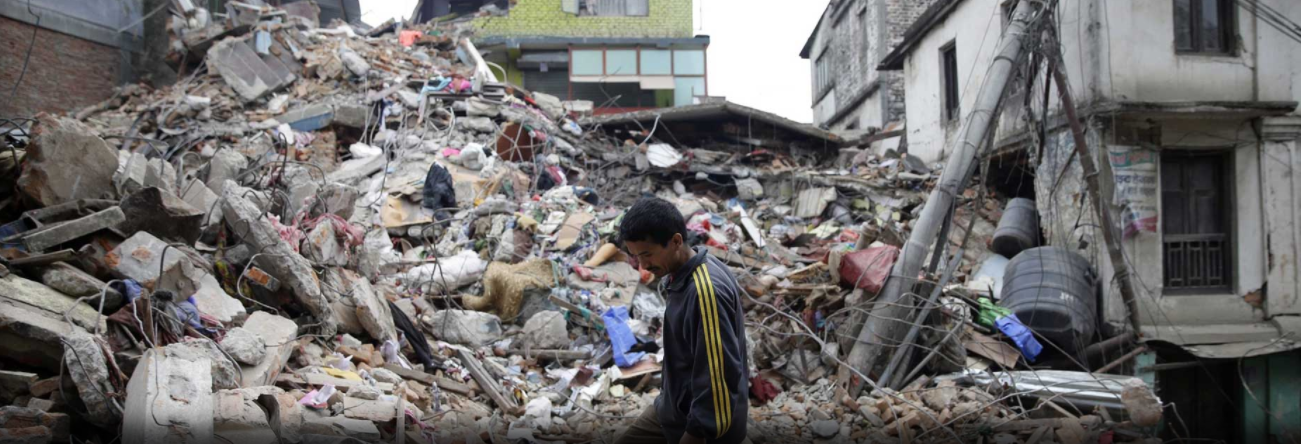
Countries around the Indian Ocean are benefitting from the experience and advice of Professors Dilanthi Amaratunga and Richard Haigh on how they best prepare to cope with a potentially disastrous tsunami. An estimated 270,000 people in the region of the Indian Ocean died as a result of the undersea earthquake that struck off the northern tip of Sumatra in Indonesia on 26 December 2004. The 9.1 magnitude quake set off a tsunami that devastated coastal regions in over 20 countries, and reached as far away as Tanzania and South Africa.
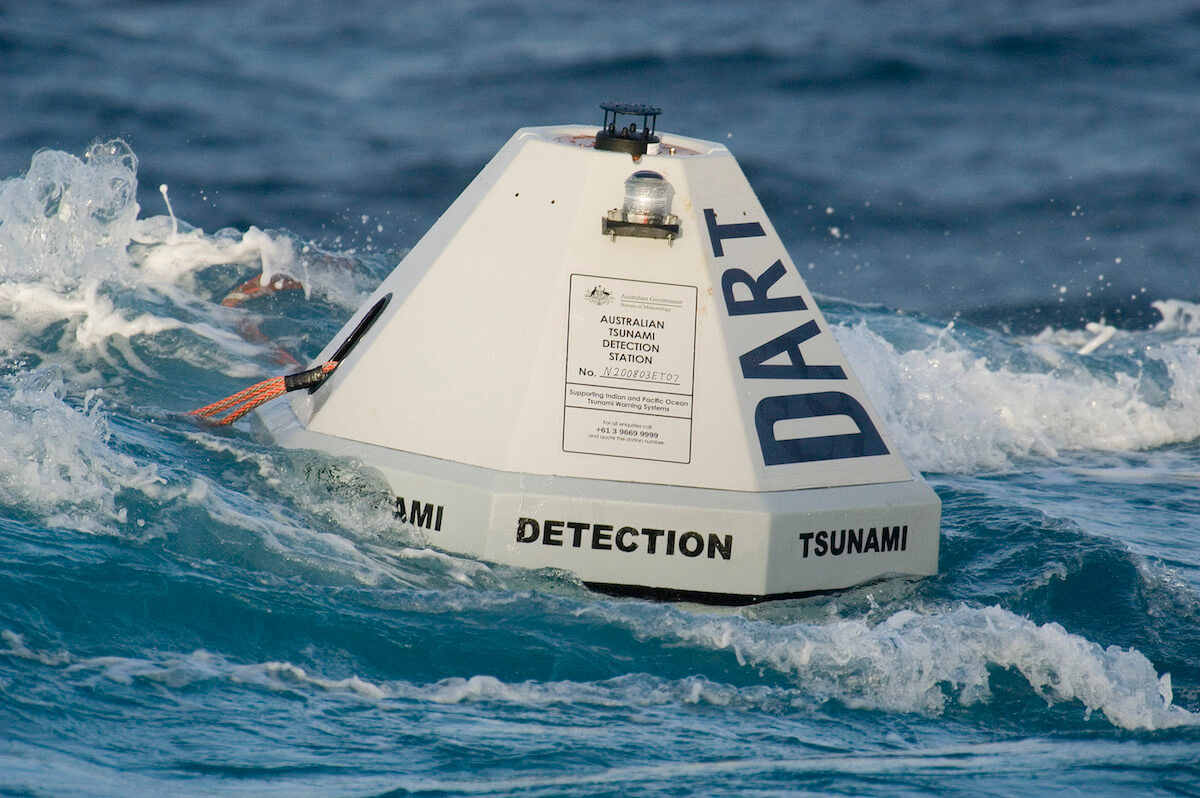
The training was entitled Indian Ocean Wave 2018 for Sri Lanka and was an Indian Ocean-wide tsunami warning and communications exercise The
The Building Resilience Conference is an annual international conference exploring resilience as a useful framework of analysis for how society can cope with the threat of natural and human induced hazards. The 2018 edition is organised by the University of Lisbon, the University of Coimbra (Portugal) and the Global Disaster Resilience Centre at the University of Huddersfield (UK), in association with the United Nations Office for Disaster Risk Reduction (UNISDR).